|
Brush
Turkeys and Other Birds
|
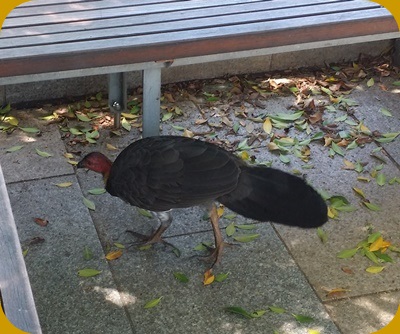
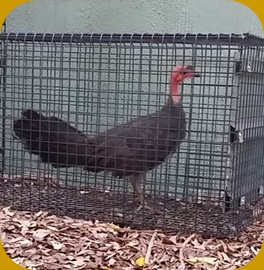
Brush Turkeys:
|
Male Brush Turkeys begin
building a mound from the organic
material available in the immediate area. Once the mound is
complete the male will tend to it by adding and removing material
in order to maintain the temperature contained within the
decomposing material.
By maintaining the nest he hopes to attract a female who will show her
approval by depositing her eggs in the mound. Once she lays the
eggs
the male continues to maintain the nest until hatching.
Removing the male brush turkey stops the mating ritual from taking
place but also allows another brush turkey to take his place
next season.
For the few weeks before the eggs are deposited the mound may
be destroyed and treated to deter the male from continuing to tend
to it which results in the female laying her eggs somewhere else.
I offer the
following services:
* Brush Turkey trapping & relocation
* Natural liquid deterrent
* Bird
deterrents
|
|

Crows:
|
Large numbers of crows are
living in suburban areas, making their roosts
in backyards and parks. They can be noisy, messy and
destructive.
Crows are protected and it is illegal to trap or bait them or to
disturb
their nests when raising young. If crows are damaging property or
affecting health and wellbeing they can be removed.
Crows can be very difficult to catch, so there are other options that
may be looked at, such as deterrents or finding and removing
what
has attracted them to begin with.
I offer the
following services:
* Crow dispersal
* Crow advice & control
* Barrier control fencing
* Bird deterrents
|
|
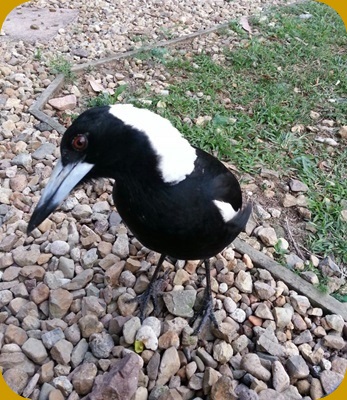
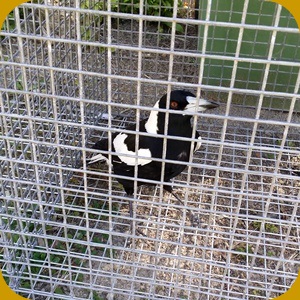
Magpies,
Magpie larks & Butcherbirds:
|
Magpies have a defined
territory that they inhabit and raise their young.
In general a placid bird, but in the 4 to 6 weeks of nesting they
become
aggressive and very territorial. Magpie's will only defend
their nest
within a ?defiance zone?.
This defensive behaviour can range from a non-contact swoop, through
to pecking, dive-bombing and
sometimes front-on attacks from the
ground. More serious attacks may lead to bloodied ears and cheeks
or even eye injury.
Therefore all magpie attacks need to be taken seriously.
EHP regulations allow the problem magpie to be trapped and
transported at least 50 kilometres away (in a straight line) and,
where possible, at least 10 kilometres from the? nearest human
settlement.
I offer the
following services:
* Magpie trapping & relocation
* Butcherbird trapping & relocation
* Barrier control fencing
* Magpie warning signs
* Bird deterrents
|
|
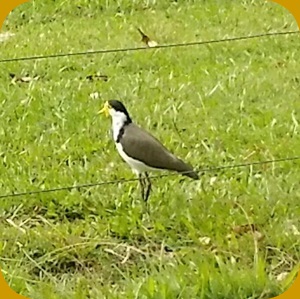
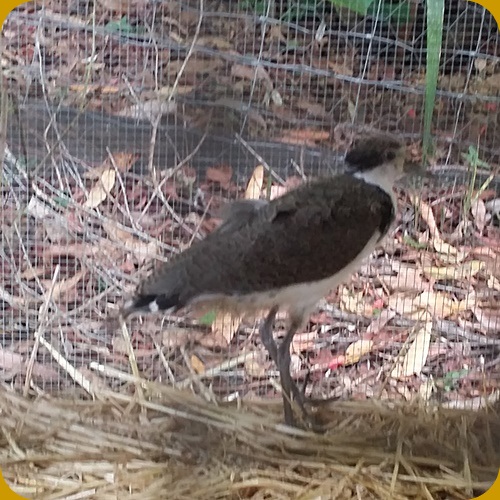
Plovers or
Masked lapwings:
|
Like
magpies, plovers have a defined territory that they inhabit and
raise their young. In general a placid bird, but during nesting
they
become aggressive and very territorial. Plover's will only defend
their nest within a ?defence zone?.
This defensive behaviour can range from a non-contact swoop,
through to pecking, dive-bombing and sometimes front-on attacks
from the ground.
They are a hard bird to catch as they leave the nest when they are
frightened.
A number of methods can be used to try and catch these birds but
usually ?it is easier to allow
them nesting time and set up deterrents
before the next breeding season.
I offer the following services:
* Plover advice & control
*
Plover Dispersal
* Barrier control fencing
* Plover warning signs
* Bird deterrents
|
|
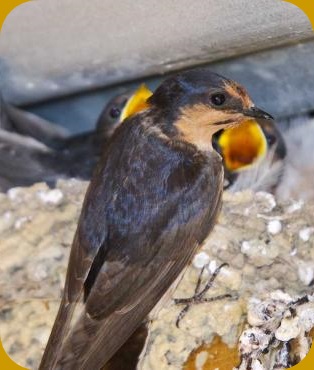
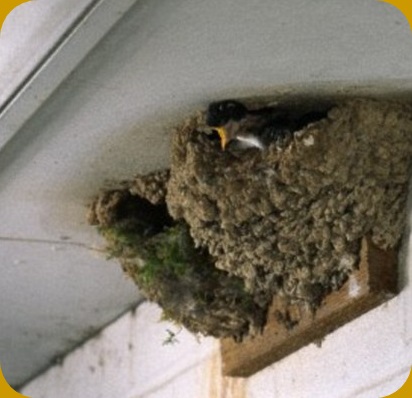
Welcome Swallows:
|
Swallows are often a
nuisance in suburban areas as they build
their mud nests that damage and deface the outer walls and eaves
of residences and office buildings.
Swallow faeces
often end up on the sides of buildings and the ground
below from the colony of birds in residence.
The bacteria,
fungal agents and parasites found in swallow droppings
and nests can carry a host of serious diseases, including histoplasmosis,
encephalitis, salmonella, meningitis, toxoplasmosis and more.
I offer the
following services:
* Swallow advice & control
*
Nest Removal
* Bird deterrents
|
|
You must be licensed with
EHP to catch and remove native wildlife.
Damage Mitigation Permit: WA0048962
Wildlife Spotter Catcher Permit: WA0053884
|